

A developer has submitted plans for the final phase of Crescent Crossings the mixed-income apartment complex on the East Side that calls for another 73 units.
The project is a partnership between Park City Communities, that oversees public housing, and private developers, providing more than 300 units including affordable, workforce and market-rate housing.
It is now quite the contrast on the property of the former Father Panik Village public housing site.
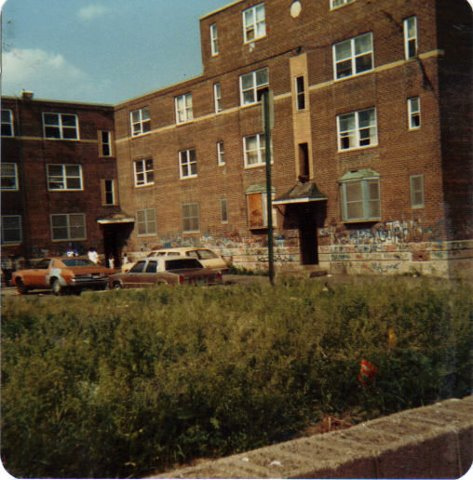

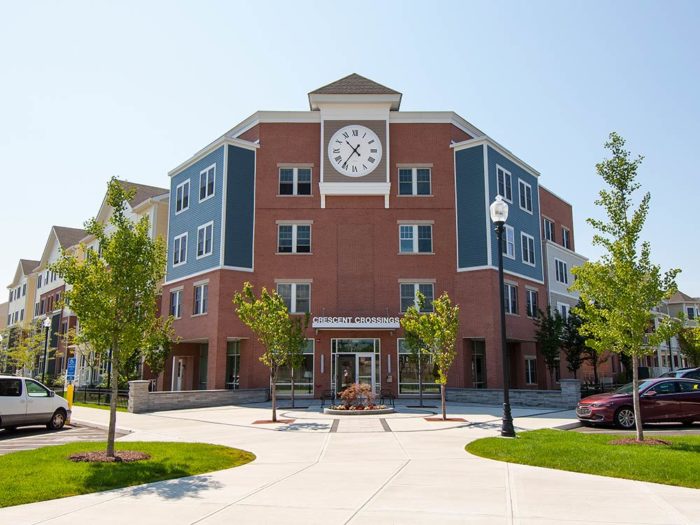
Father Panik Village was no fun to enter, for a young police reporter or police officers. Paging retired vice squad cops Ron Bailey and Jimmy Honis. Now imagine what it was like to live in the federal public housing project at the height of the crack cocaine epidemic, smack in the middle of the East Side.
Complete madness.
Shootings, murders, firebombings.
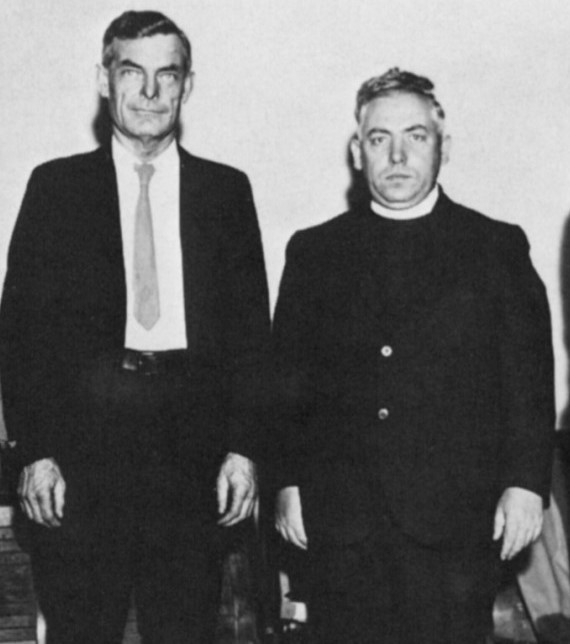
Father Panik eventually took its name ironically from a community-engaged Catholic priest, Stephen Panik, who lobbied for affordable, accessible housing for his church constituency roughly 85 years ago. It opened as Yellow Mill Village. My mother resided there. Panik butted heads with Socialist Mayor Jasper McLevy, the ultimate penny pincher suspicious of taking federal dollars for fear the money would run dry, leaving the city with heavier costs.
Good intentions decades ago took a dramatic turn, transforming into a fortress of crime and grime. The factories that had provided jobs for the residents, following World War II, began to shut down or move out of the city. Poverty increased and with it crime. Additional background here
The way it was structured became impenetrable for law enforcement, sapping a lot energy out of police and fire personnel.
Democrat Tom Bucci, a young attorney, elected mayor in 1985 had a strong Catholic upbringing. He saw the irony of what became of Father Panik’s vision. Seeing the catastrophic mess to the community, Bucci ripped off the band aid. He lobbied the federal Housing and Urban Development to tear it down. Before you can tear it down you must relocate the residents.
That was a brutal process.
Bridgeport was still largely a White community. People who lived in FPV were largely Black and Brown. Couple that with its infamous reputation and most in neighborhoods didn’t want “those people” around.
Scream, yell, demonstrations. For Paul Macciocca, Bridgeport’s incorrigible North End Dem district leader who served as parks director, this was another example of Bucci “giving everything to the Blacks and Puerto Ricans.”
Like a lot of things in Bridgeport, this took decades to relocate residents, knock it down, clean it up and reimagine it in ways that could finally fulfill its promise. It was Bucci who engineered the start that has morphed into his legacy.

Statement from Bucci:
I remember my reaction to Father Panik Village as though it happened yesterday. Seeing firsthand, the conditions that had come to define the complex was deeply disturbing. Its eventual transformation did not happen by chance. It was the result of years of effort by countless community members who believed the East Side, especially those living at Father Panik Village deserved better. I was honored to be among those working toward that change.

Well hopefully with the experience they gained from father panic ,it will be much easier when shutting down the Greens…………………………….or not