
From Meghan Portfolio, Yankee Institute:
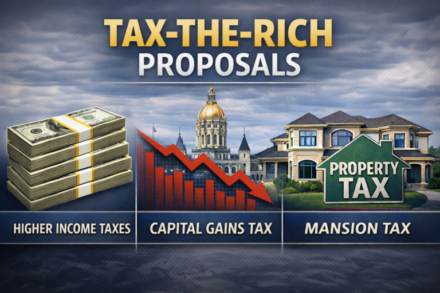
Perhaps the most controversial proposal is Senate Bill 101, which would establish a state-level property tax on high-value residential real estate — something Connecticut has not previously imposed.
Under the bill, homes assessed above $3 million would be subject to a tax ranging from 2 to 4 mills depending on value.
Property taxes in Connecticut are set by local municipalities, not the state. Creating a statewide property tax would represent a significant structural shift.
In Connecticut law, “residential real property” commonly refers to one- to four-family housing — not only large estates — meaning duplexes, triplexes, and certain multifamily properties could fall within the definition depending on assessed value.
In other states and cities, so called “mansion taxes” sometimes produced broader effects than initially anticipated. In Los Angeles, a tax on high-value property transactions was followed by sharp declines in housing construction permits across price ranges, including affordable units. Researchers found some developers shifted projects outside city limits or adjusted designs to avoid tax thresholds.
Owners of rental housing typically pass tax increases through to tenants over time, meaning a levy aimed at high-value property could translate into higher rents. In Chicago, a proposed transfer tax increase on high-value property drew criticism that apartment buildings, small businesses, and renters, not just wealthy homeowners, would bear much of the burden.
A statewide property tax framed as a “mansion tax” could therefore have broader implications for housing supply and affordability.
Full story here

Taxes provide revenues which funds operate current budgets as well as provide for longer term debt repayments and pension obligations.
Income taxes as a category raise the most money for the State each year in a progressive manner. The more you make, the larger your percentage share. Sound fair to you?
But if your representatives decide that expenses for current programs loom larger, they consider other sources of revenues, including property taxes that have been the major domain of local governance reliance. Unlike annual property taxes on your residence, the proposal seems to currently limit taxes to “high value” properties when they transfer to new owners. But so-called “mansion taxes” which might cover a handful of District 130 homes when such a law passes, if and when they are sold, are likely to affect other Fairfield County homeowners more substantially.
Lennie, thanks for raising a local $$$ issue. Tomorrow, Saturday at 9am Casual Civics Conversations holds a one hour ‘conversation’ listening session at Fruta, 1000 Lafayette Blvd. Questions beget answers. Time will tell.
Progressives and anti-racists. Time to pay their fair share. Let’s see if Ned Veto’s it to protect his family’s wealth. Combined these bills will cost his family millions not to mention his friends. People make a big deal about his not accepting a salary. The millions he saves by blocking bills like this more than makes up for it. Link to my testimony in support.
https://www.facebook.com/share/v/18JyiwNKcV/